Navigation
Knowing what exists, what fits, what the next step is, and who is responsible.

Support is usually organized around a moment of crisis, while the years after it stay fragmented. People are expected to find the right system, repeat their story, manage transport, understand eligibility, rebuild routines and create a future, all while still carrying what happened.
See the programsThe gap
A safety plan is not the same as belonging, work, health, confidence, movement, friendship, or a place to put the energy that survival required. Griefyard Works is being built in that space, so people do not have to become experts in every service category just to move forward.
is not the same as access.
is not the same as continuity.
is not the same as navigation.
is not the same as a rebuilt life.
Why boys and men
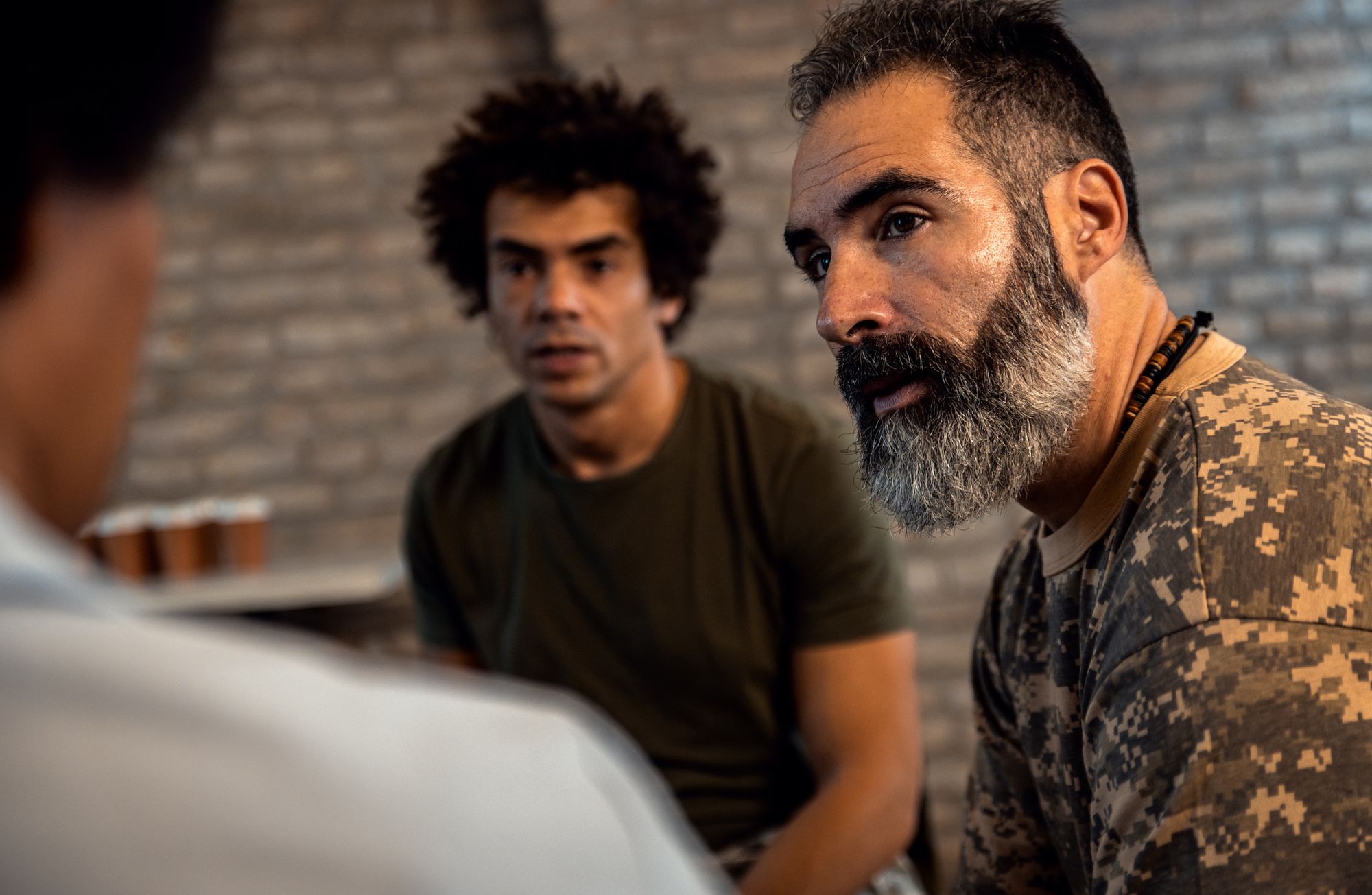
Boys and men can encounter violence, sexual harm, abuse, exploitation, grief, neglect, instability, isolation and mental-health challenges while also receiving strong messages about silence, toughness, anger, shame, and what vulnerability is supposed to look like.
A male-centered institution does not mean every man has the same experience. It means programs are designed with attention to how gender expectations, identity, age, culture, sexuality, disability, family and community shape whether someone feels able to enter a room, ask a question, stay engaged, or trust that support is meant for him.
Beyond a single service
So the Foundation works across six environments rather than treating recovery as one appointment or one program.
Knowing what exists, what fits, what the next step is, and who is responsible.
Skill, movement, challenge, concentration, friendship and ordinary experiences beyond a support setting.
Practical pathways toward qualified dental care when interrupted health and cost create barriers.
Learning, work, practical capability and relationships that expand what comes next.
Support is not credible if the environments around it reproduce harm, confusion, exclusion or unaccountable power.
Places to participate, belong, contribute, learn, and be known for more than what was survived.
What the name means
Griefyard. Loss, violence, exploitation, isolation, interrupted health and systems failure can leave long practical and emotional consequences. Program design begins by recognizing those conditions accurately, so eligibility, safeguarding, navigation and follow-through are not built on denial.
Works. Navigating healthcare, replacing documents, coordinating transport, structuring partnerships, funding restorative care, running outdoor programs, evaluating outcomes, and removing the practical barriers that keep a next step from being completed.

The longer view
The goal is not to keep people inside a trauma identity. The Foundation can acknowledge what happened without making harm the permanent center of anyone’s public identity.
Programs make room for ordinary ambitions: a healthier body, a job, a certification, a weekend outside, stronger relationships, a repaired smile, a new skill, a place to contribute, or simply a day that is not organized around survival. That is what change what gets passed forward means here.
Read the missionIf you need help now