Practical skills
Hands-on learning, simple problem solving, preparation, routines, equipment care and everyday capability.

The Foundation’s youth program for boys in their younger years: practical skills, trusted adults, safety knowledge, outdoor life, curiosity and movement, without asking a young person to perform a crisis story in order to belong.
Safeguarding for youthThe practice system
Everyday activities can teach practical judgment, communication, safety, responsibility, confidence and how to ask for help. Specific activities depend on qualified staffing, partners, safeguarding, season, geography and program readiness.
Hands-on learning, simple problem solving, preparation, routines, equipment care and everyday capability.
Boundaries, trusted adults, body autonomy, digital awareness, asking questions, identifying unsafe situations and knowing how to seek help.
Age-appropriate movement, nature, recreation, outdoor literacy, stewardship and structured experiences through qualified partners.
Healthy relationships with responsible adults and peers who model respect, consistency, communication and appropriate boundaries.
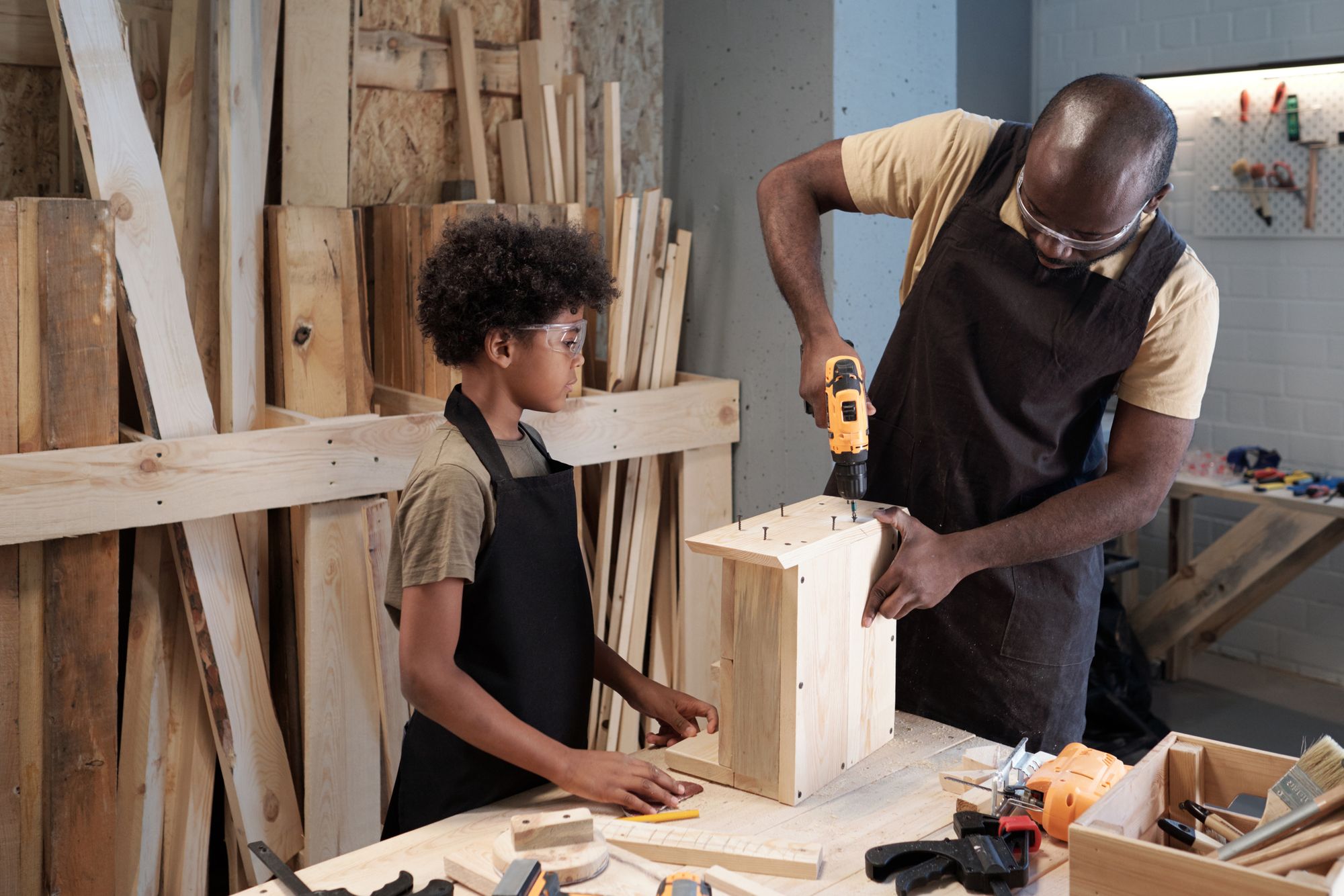
Room to learn
Room to Become should create chances to try something new, make mistakes, ask for help, practice again and leave with a little more capability than before. The goal is not to manufacture resilience through hardship. It is to create appropriately supported chances to learn.

Families & trusted adults
Families and guardians should receive clear information about supervision, transportation, communication, activity risks, partner roles, media consent, emergency procedures, accessibility, behavioral expectations and how to raise a concern.
What families should knowWhere it shows up
Movement, teamwork, turn-taking, losing well and being coached by adults who keep their word.
Weather, water, trail and season, introduced in steps, through qualified partners. See Open Weather.
Tools, sequence, patience and the satisfaction of making something that works.
Digital awareness, privacy, who to trust and what to do when something feels wrong.
Program boundary
The Foundation may create supportive, structured, trauma-aware environments, but it does not represent ordinary youth activities as psychotherapy or clinical treatment. If a young person needs clinical, medical, legal, emergency or other specialized support, that belongs with qualified providers and partners.
ROOM TO BECOME